

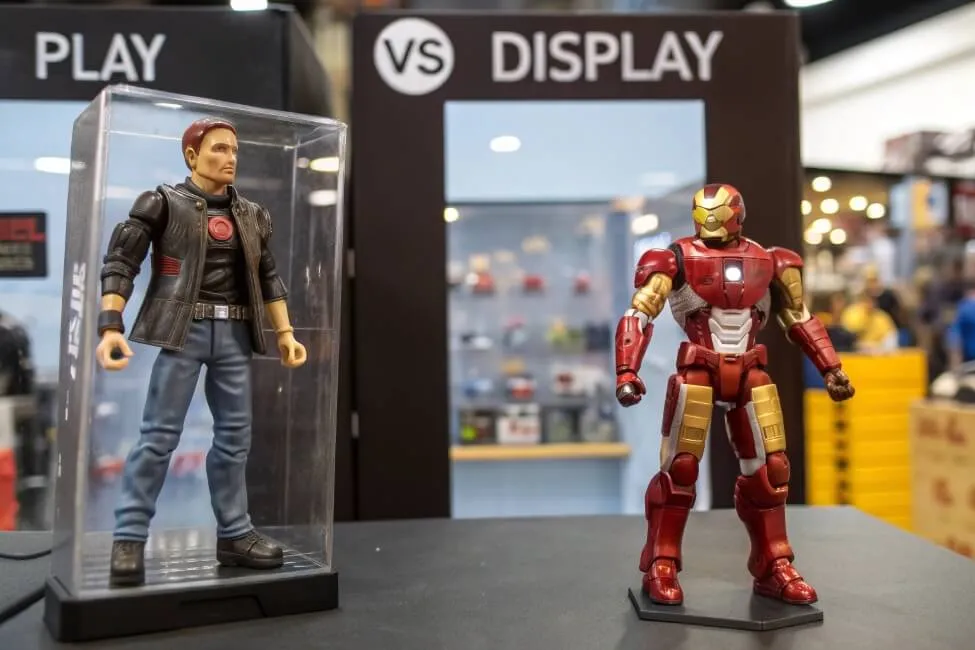
Collectors and casual buyers often use “collectible figures” and “display toys” interchangeably, but the distinction matters more than most people realize. This becomes especially clear with fandom-driven items like cookie run collectibles, where some products are designed as limited, condition-sensitive collectibles while others are meant primarily for decorative or casual display. Franchises such as Cookie Run: Kingdom illustrate this divide well: certain figures are produced in small runs with packaging and materials intended to preserve long-term value, while others prioritize durability, playfulness, or mass appeal.
Understanding the difference affects how items should be evaluated, priced, marketed, and stored. This guide breaks down what separates true collectibles from display toys, how to spot authenticity signals (edition size, materials, packaging, and provenance), and practical advice for buying, selling, and caring for items so they retain both aesthetic appeal and monetary value. It’s written for online sellers, ecommerce owners, and product managers who need clear criteria when sourcing inventory, writing product pages, or advising customers with confidence.
What Defines a Collectible Figure
Collectible figures are objects produced primarily for adult collectors rather than for children’s play. They emphasize fidelity to a source (a film, comic, or original character), limited availability, and collectible value over ruggedness. Collectible figures are often purchased to display, preserve, or trade, not to be tossed around on the floor.
Collectors tend to prize authenticity, fidelity of sculpt and paint, and the story behind an item, who made it, how many were produced, and whether it’s part of a numbered run. A figure’s appeal also lies in its provenance: signed editions, artist collaborations, and manufacturer reputation all increase desirability.
Common Materials, Finishes, and Manufacturing Methods
Collectible figures are typically made from higher-grade materials and finished with more attention to detail than mass-market toys. Common materials include:
- PVC and ABS with fine paint apps for durable, detailed sculpts.
- Resin or polystone for premium, statue-like pieces with crisp sculptural detail.
- Die-cast metal in joints or bases to add heft and perceived value.
Finishes often include layered hand-painting, weathering techniques, metallic or pearlescent paints, and protective clear coats. Limited-run collectibles may be produced via resin casting or small-batch injection molding, with quality control focused on minimizing seams, paint bleed, and joint looseness.
Typical Collector Intent and Market Behavior
Collectors behave differently from typical toy buyers. Key patterns include:
- Purchase intent: collectors often buy to complete a set, invest, or display a favorite character in a curated space.
- Holding period: many collectors hold items long-term; some buy with resale in mind.
- Community influence: forums, conventions, and social media drive demand spikes and shape perceived value.
- Condition sensitivity: mint condition, original packaging, and certificates of authenticity meaningfully affect price.
Understanding these behaviors helps sellers price items, craft accurate listings, and set realistic expectations for turnover and margins.
What Counts as a Display Toy
Display toys sit between children’s playthings and high-end collectibles. They’re often designed to look appealing on a shelf but built to withstand handling and broader distribution. A display toy might be aimed at older kids, casual fans, or impulse buyers who want a visually attractive item without the premium cost and fragility of a collectible.
Design Priorities: Durability, Playability, and Cost
Designers of display toys prioritize practicality and affordability. Typical priorities include:
- Durability: materials and construction tolerate moderate handling, snap-fit parts, reinforced joints, and impact-resistant plastics are common.
- Playability: articulation, removable accessories, and compatibility with other mass-market lines encourage interaction.
- Cost control: simplified paint apps, fewer moving parts, and standardized tooling keep retail prices accessible.
As a result, display toys balance visual appeal with a longer useful life in casual households.
Who Buys Display Toys and Why
The audience for display toys is broad: parents buying for children, fans seeking an inexpensive shelf accent, and gift-givers who want a recognizable character without a high price tag. Purchase motivations include:
- Aesthetic: buyers want an attractive addition to a desk or shelf without worrying about delicate handling.
- Function: toys that can be posed, played with, or integrated into a playset offer more immediate satisfaction.
- Price sensitivity: lower price points make display toys accessible to a larger audience.
Sellers benefit from higher turnover and wider appeal, though individual items typically have less long-term appreciation than collectables.
Key Differences: Purpose, Production, and Value
The gap between collectible figures and display toys shows up across purpose, production methods, and long-term value. Understanding these contrasts helps businesses decide what to source and how to present items to customers.
Purpose and Intended Use (Play vs. Display)
Purpose defines design choices. Collectibles are crafted for display, photography, and preservation: playability is often secondary. Display toys are designed for interaction, posing, and regular handling. That difference affects expected lifespan, warranty needs, and usable customer instructions.
Materials, Detail Level, and Articulation
Materials and craftsmanship diverge:
- Collectible figures: finer sculpts, nuanced painting, premium materials such as resin or die-cast elements, and elaborate bases or diorama elements.
- Display toys: mass-produced plastics, simpler paint applications, and practical articulation that resists breakage.
Collectors expect minute paint fidelity, subtle shading, and complex sculpt lines. Display toy buyers prioritize clean, durable finishes and straightforward assembly.
Packaging, Rarity, and Secondary Market Value
Packaging signals intent. Collectible packaging often doubles as display; window boxes with certificates, numbered edition labels, and artist notes matter. Limited runs and exclusive variants drive scarcity and secondary market premiums.
Display toy packaging emphasizes shelf presence and retail protection: bold graphics, protective clamshells, and barcode-ready formats. These items appear on shelves in larger quantities and rarely fetch large premiums later on.
In short, collectibility drives careful production and potential appreciation; display toys emphasize practical design and mass appeal.
How to Identify Authentic Collectible Figures
Authenticating a collectible figure protects buyers and sellers from counterfeits and mislabeled items. A few practical checks separate genuine articles from fakes.
Checking Manufacturer Marks, Certificates, and Limited Editions
Steps to verify authenticity:
- Manufacturer marks: inspect the base, foot pegs, or inside joints for stamped maker’s marks, production numbers, or mold IDs.
- Certificates: many premium releases include certificates of authenticity (COAs) or numbered cards; compare fonts, holograms, and paper quality against known examples.
- Edition information: limited editions will show a run size and number (e.g., 032/500). Cross‑reference with manufacturer announcements or press releases.
A careful buyer will also consult official product pages or reach out to the manufacturer for verification when in doubt.
Evaluating Condition, Aesthetics, and Provenance
Condition assessment covers surface finish, paint precision, and structural soundness:
- Surface finish: look for paint runs, mismatched colors, or signs of touch-up, which indicate lower-grade or altered pieces.
- Seams and joints: clean seams and precise joints suggest quality molding and attention to QC; excess flash or misaligned parts may indicate counterfeit production.
- Provenance: receipts, original packaging, and seller history add trust. High-value pieces with clear provenance command better prices.
When authenticity or provenance is uncertain, buyers should factor authentication costs into the purchase price or avoid high-value transactions without independent verification.
Buying, Selling, and Storing for Maximum Value
Whether managing inventory for an online store or curating a personal collection, strategies around buying, selling, and storage affect value and customer satisfaction.
Where to Buy: Retail, Specialist Dealers, and Marketplaces
Supply channels include:
- Official retailers and manufacturer direct: best for mint-condition, warranty-backed items and official exclusives.
- Specialist dealers and convention sellers: good for rare or regional exclusives, they often offer authentication knowledge.
- Secondary marketplaces: large online platforms and auction sites provide access to hard-to-find pieces but carry higher authentication risk.
Sellers should vet suppliers, request batch photos, and track serials for high-value SKUs.
Storage, Display Best Practices, and Preservation Tips
Preservation keeps items attractive and marketable:
- Environment: maintain stable temperature and humidity; extremes warp plastics and degrade adhesives and paint.
- Sunlight: avoid direct sunlight, UV fades paint and yellows plastics.
- Handling: use nitrile gloves for high-value items to prevent oils from degrading paint: handle joints gently.
- Packaging: store in original boxes where possible: use acid-free tissue, bubble wrap sparingly, and sturdy archival boxes for long-term storage.
For displays, enclosed cabinets with UV-filtering glass balance visibility and protection.
Pricing, Resale Considerations, and Authentication Risks
Pricing should reflect production size, condition, and market demand. Sellers must account for authentication costs, potential restoration, and return policies. Common risks include:
- Counterfeits: avoid allocating large budgets to unlabeled secondary-market finds without verification.
- Condition disputes: clear photos, detailed condition notes, and honest grading prevent disputes and chargebacks.
- Market volatility: fandom trends shift: what’s hot today may cool, diversify inventory and monitor demand signals.
Transparent listings and conservative pricing for uncertain items reduce post‑sale friction and protect reputation.
Product Page and SEO Tips for Sellers of Figures and Toys
Crafting effective product pages helps convert browsers into buyers without relying on technical jargon. Sellers should focus on clear information architecture and shopper trust elements.
How to Write Listings that Convert (Keywords, Photos, and Specs)
High-converting listings share common features:
- Clear title and brief: state the product name, variant, and notable attributes in the first line.
- High-quality photography: include multiple angles, close-ups of paint or sculpt details, shots of accessories, and a photo showing scale (a common object or ruler). Clean, well-lit images reduce returns.
- Detailed specs: list materials, dimensions, articulation points, manufacturer, edition size, and release year. Note any wear or restorations honestly.
- Benefits and use cases: describe whether the item suits display, photography, or play to set expectations.
- Shipping and returns: transparent policies build buyer confidence, and mention packaging care for high-value pieces.
Linkable Content Ideas and Outreach Angles for Backlinks
Sellers who want wider visibility and organic referral traffic can develop content that attracts attention:
- How-to guides: maintenance and display tips for figures and toys draw hobbyists.
- Behind-the-scenes: interviews with sculptors or photo essays on production processes engage enthusiasts.
- Lists and gift guides: curated roundups for holidays or fandom milestones encourage shares.
- Event coverage: report on convention exclusives or limited drops to become a timely resource.
These content formats are useful for building partnerships with influencers, hobby sites, and niche blogs that trust and reference authoritative product pages.
Note: when creating promotional or educational content, sellers should prioritize accuracy and original imagery to stand out in crowded marketplaces.
Conclusion
Collectible figures and display toys serve different buyers and business models. Collectibles lean toward fidelity, limited runs, and careful preservation: display toys prioritize durability, affordability, and everyday appeal. For online sellers and e‑commerce operators, distinguishing these categories informs sourcing choices, listing practices, and inventory management. Practical steps, such as authenticating high‑value items, using professional photography, and adopting preservation best practices, help protect value and build buyer trust. By matching product presentation to customer expectations, sellers can reduce returns, improve satisfaction, and create sustainable margins, whether they’re moving fast-selling display toys or curating scarce collectibles.
