

Pests can quickly become a nuisance in any home, finding their way inside through the smallest cracks and gaps. Whether it’s ants, rodents, spiders, or other unwelcome guests, these intruders often exploit common entry points that homeowners may overlook. Sealing these access points is a crucial step in maintaining a comfortable and healthy living environment. By understanding where pests are most likely to enter and how to effectively block their paths, you can significantly reduce the chances of an infestation. Taking proactive measures not only protects your property but also saves time and money in the long run.
What to Expect When Sealing Entry Points
Identifying the Most Common Entry Points
The first step in keeping pests out is to identify where they are most likely to enter your home. Many pests are adept at squeezing through tiny openings, so it’s important to thoroughly inspect both the interior and exterior of your property. Common entry points include gaps around windows and doors, cracks in the foundation, spaces where utility lines enter the house, and vents that are not properly screened. Even small holes in siding or roofing can provide easy access for insects and rodents. Pay close attention to areas that are often overlooked, such as the corners of basements, crawl spaces, and attics. These locations are particularly vulnerable because they are less frequently maintained and can develop gaps over time due to settling or weather changes. By carefully examining these areas, you can create a comprehensive plan to address each potential entry point and prevent pests from making themselves at home.
Sealing Gaps Around Doors and Windows
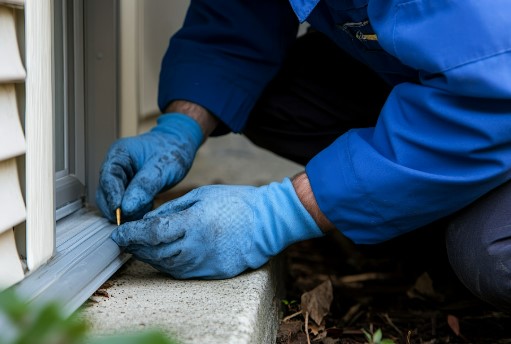
Doors and windows are among the most common places where pests gain entry. Over time, weatherstripping can wear down, and frames may shift, creating small gaps that are perfect for insects and rodents to slip through. To effectively seal these areas, start by inspecting the condition of the weatherstripping and replace it if it appears cracked or compressed. Caulking can be used to fill in any gaps around window frames, while door sweeps can be installed at the base of exterior doors to block the space between the door and the threshold. For sliding doors, ensure that the tracks are clean and free of debris, as buildup can prevent the door from closing tightly. Properly sealing these entry points not only keeps pests out but also improves energy efficiency by reducing drafts. Homeowners in the area often seek Pest Control Middletown DE services to address persistent issues, but taking these preventative steps can make a significant difference in keeping your home pest-free.
Addressing Cracks in Foundations and Walls
Cracks in the foundation and exterior walls are another major entry point for pests. These cracks can develop over time due to settling, temperature fluctuations, or moisture intrusion. Even the smallest fissures can provide access for ants, spiders, and even mice. To address this, begin by thoroughly cleaning the area around the crack to remove dirt and debris. Use a high-quality sealant or concrete patch to fill the crack, ensuring that it is completely closed off. For larger gaps, expanding foam can be used to fill the space before applying a finishing sealant. It’s important to regularly inspect your foundation and walls, especially after heavy rains or during seasonal changes, as new cracks can appear. By staying vigilant and promptly sealing any openings, you can significantly reduce the risk of pests finding their way inside. This proactive approach not only protects your home from infestations but also helps maintain the structural integrity of your property.
Quick Tips for Sealing Utility Openings
Utility openings, such as those for pipes, cables, and vents, are often overlooked but can be significant entry points for pests. These areas should be checked regularly and sealed with appropriate materials like caulk or steel wool to prevent rodents and insects from squeezing through. Ensuring that vent covers are intact and fit snugly can also help block unwanted visitors.
Protecting Attics, Basements, and Crawl Spaces
Attics, basements, and crawl spaces are particularly vulnerable to pest invasions due to their location and limited visibility. These areas often have vents, access doors, or small windows that may not be properly sealed. Start by inspecting all vents to ensure they are covered with fine mesh screens that are free of holes or tears. Check for gaps around access doors and windows, and use weather-resistant caulk or foam to seal any openings. In basements and crawl spaces, look for cracks in the walls or floors and address them promptly. Moisture control is also important, as damp environments attract pests like termites and cockroaches. Use dehumidifiers or ensure proper drainage to keep these areas dry. Regularly cleaning and decluttering these spaces can also help by removing potential hiding spots for pests. By taking these steps, you can create a strong barrier that makes it much more difficult for pests to gain entry and establish themselves in your home.
Maintaining Seals and Preventing Future Infestations
Once you have sealed all common entry points, ongoing maintenance is essential to ensure that your home remains protected. Weather, temperature changes, and normal wear and tear can cause seals to deteriorate over time. Make it a habit to inspect your home’s exterior and interior at least twice a year, paying close attention to previously sealed areas. Replace weatherstripping as needed and reapply caulk or sealant if you notice any cracks or gaps reappearing. Keeping your yard well-maintained by trimming back vegetation and removing debris can also help reduce the likelihood of pests approaching your home. Additionally, address any moisture issues promptly, as standing water or leaks can attract a variety of pests. By staying proactive and addressing potential vulnerabilities as soon as they arise, you can maintain a strong defense against unwanted intruders and enjoy a more comfortable, pest-free living environment.
Conclusion
Sealing common entry points is a practical and effective way to keep pests from invading your home. By thoroughly inspecting your property and addressing gaps around doors, windows, foundations, and utility openings, you can significantly reduce the risk of infestations. Regular maintenance and prompt repairs are key to ensuring that your efforts remain effective over time. Taking these steps not only protects your home from damage and discomfort but also contributes to a healthier and more enjoyable living space. With a little attention to detail and ongoing vigilance, you can create a strong barrier that keeps pests outside where they belong.
